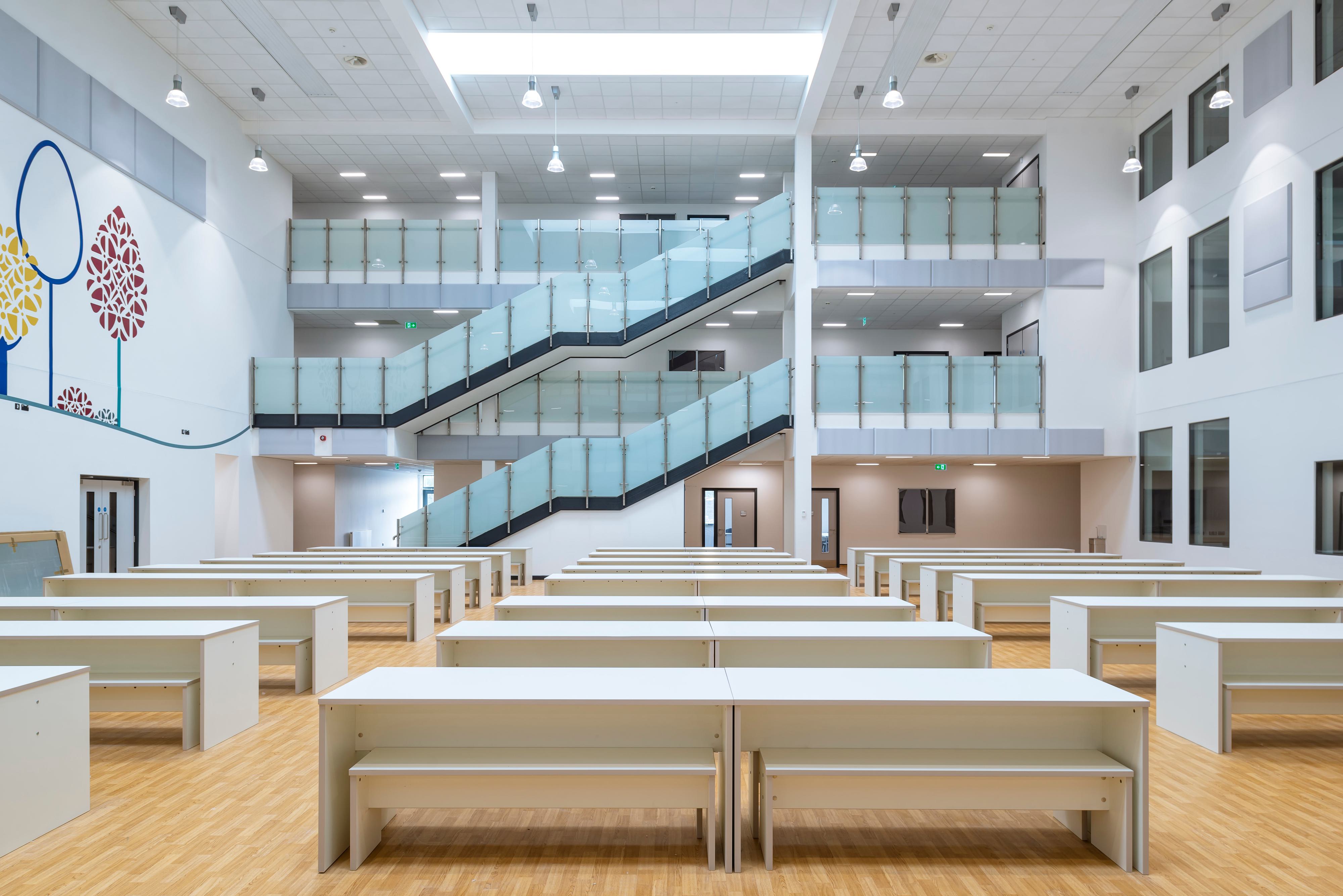
Designing schools that inspire, support and adapt
Our team has grown alongside the evolving needs of the education sector.
Through continuous learning, research and close collaboration with educators, local authorities and delivery partners, we shape learning environments that support meaningful education, positive wellbeing and strong community connections.
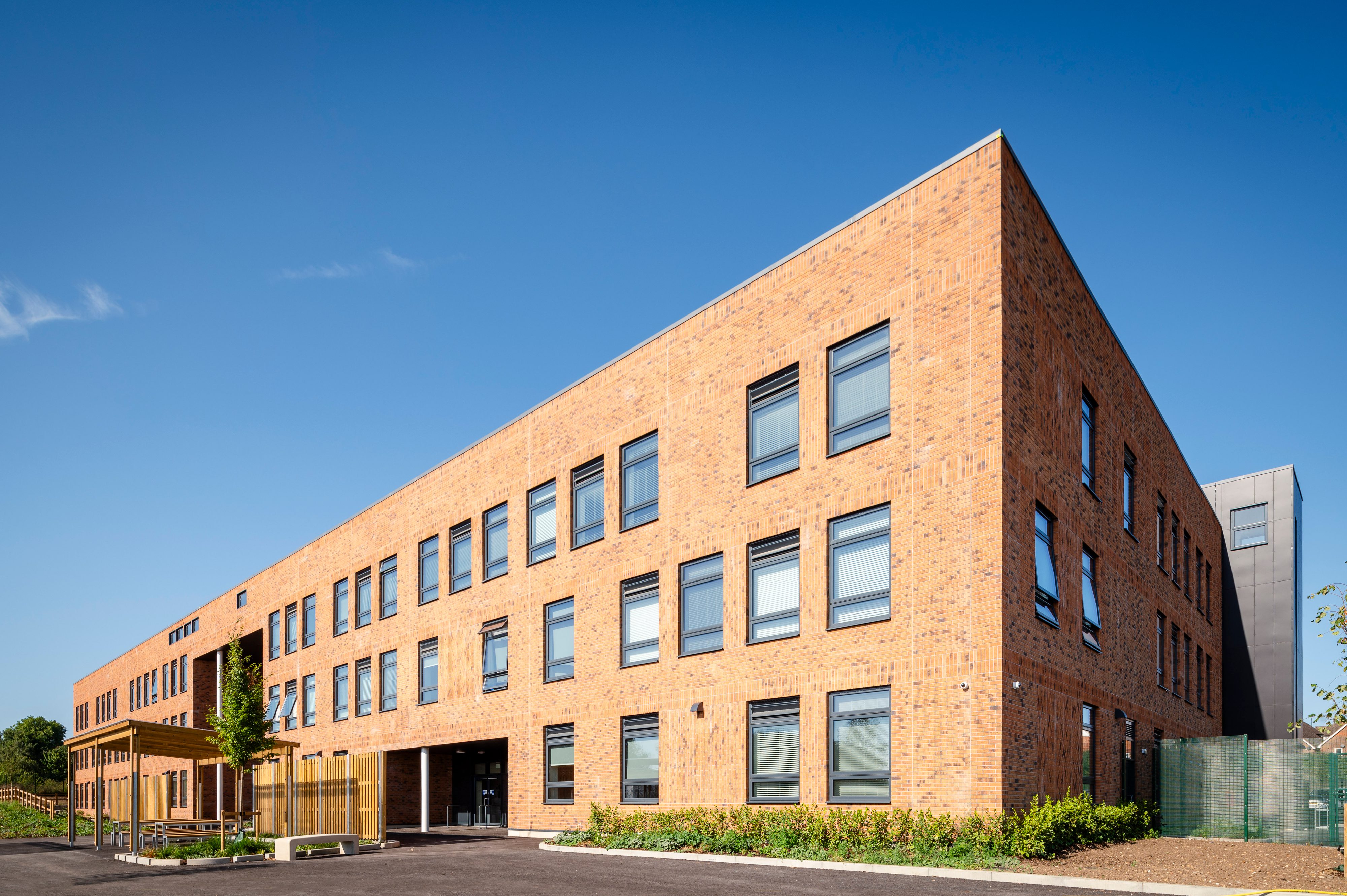
We embed wellbeing into every stage of the project, ensuring it shapes both the layout and daily experience. From the outset, it informs the brief, guides spatial strategies and influences how spaces are used and experienced. Every design decision - from layout and circulation to light, acoustics and materiality - is considered through the lens of human wellbeing, recognising its impact on mood, behaviour, focus and social interaction. Drawing on principles of environmental psychology and insights from post-occupancy evaluations, we create schools that actively support the physical, emotional and social wellbeing of pupils, staff and the wider community.
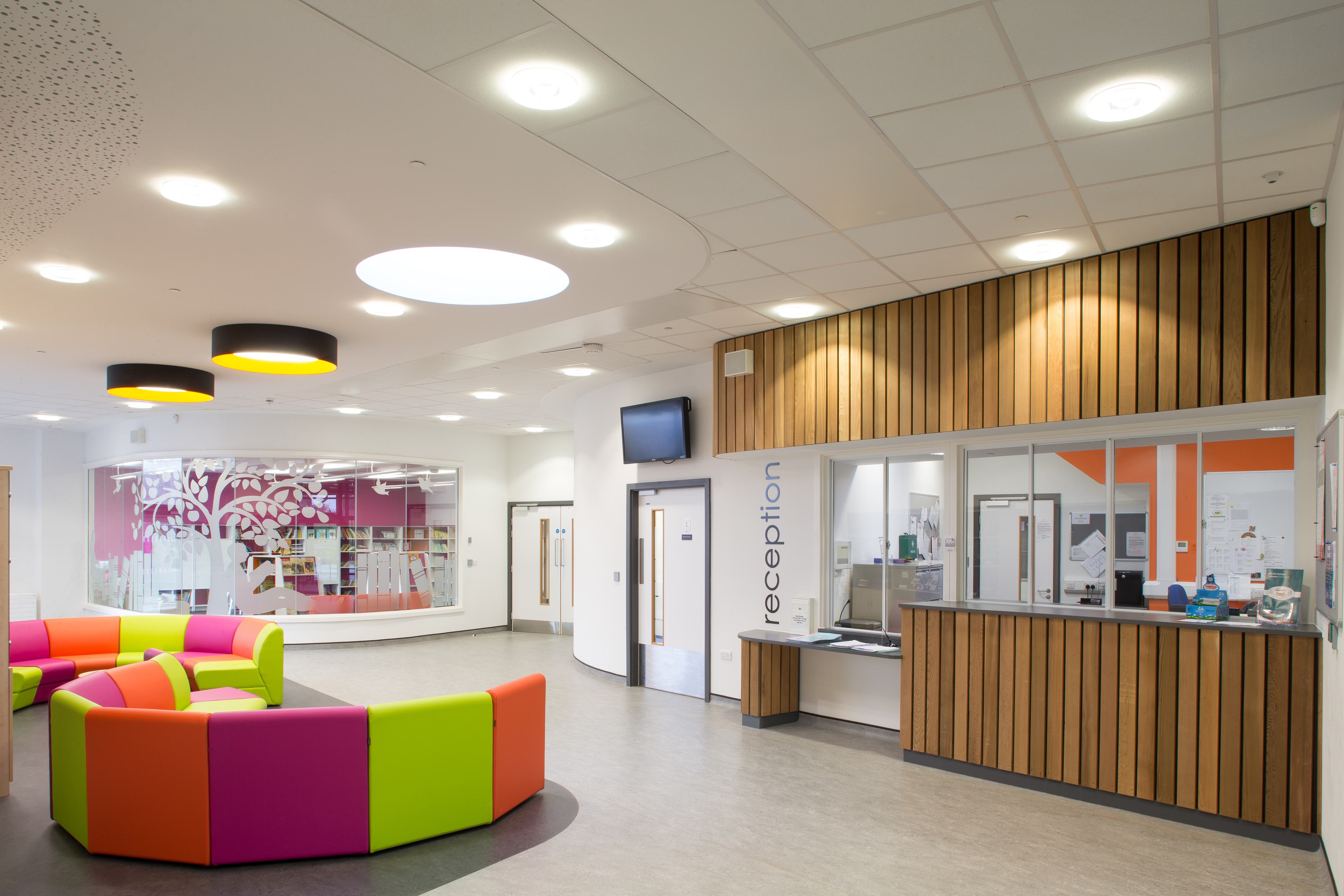
Education is constantly evolving
and the spaces that support it must evolve too. Our schools are designed to be flexible, adaptable and built to last - capable of responding to new teaching approaches, emerging technologies and changing organisational models. Clear circulation, intuitive wayfinding and carefully considered zoning allow pupils and staff to move through spaces easily, reducing cognitive load and supporting calm, confident use of the building. Flexible learning environments can accommodate both focused study and collaborative activity, enabling schools to adapt as teaching methods develop.
For many children, school is their first experience of learning and socialising within a shared environment. The physical setting therefore plays a vital role in shaping how safe, confident and engaged they feel. Access to natural daylight, visual and physical connections to outdoor spaces and well-managed acoustics can significantly reduce stress and overstimulation, helping pupils concentrate and participate more effectively in learning. Thoughtfully designed dining, social and breakout spaces can also foster a sense of belonging and encourage positive interaction between students.

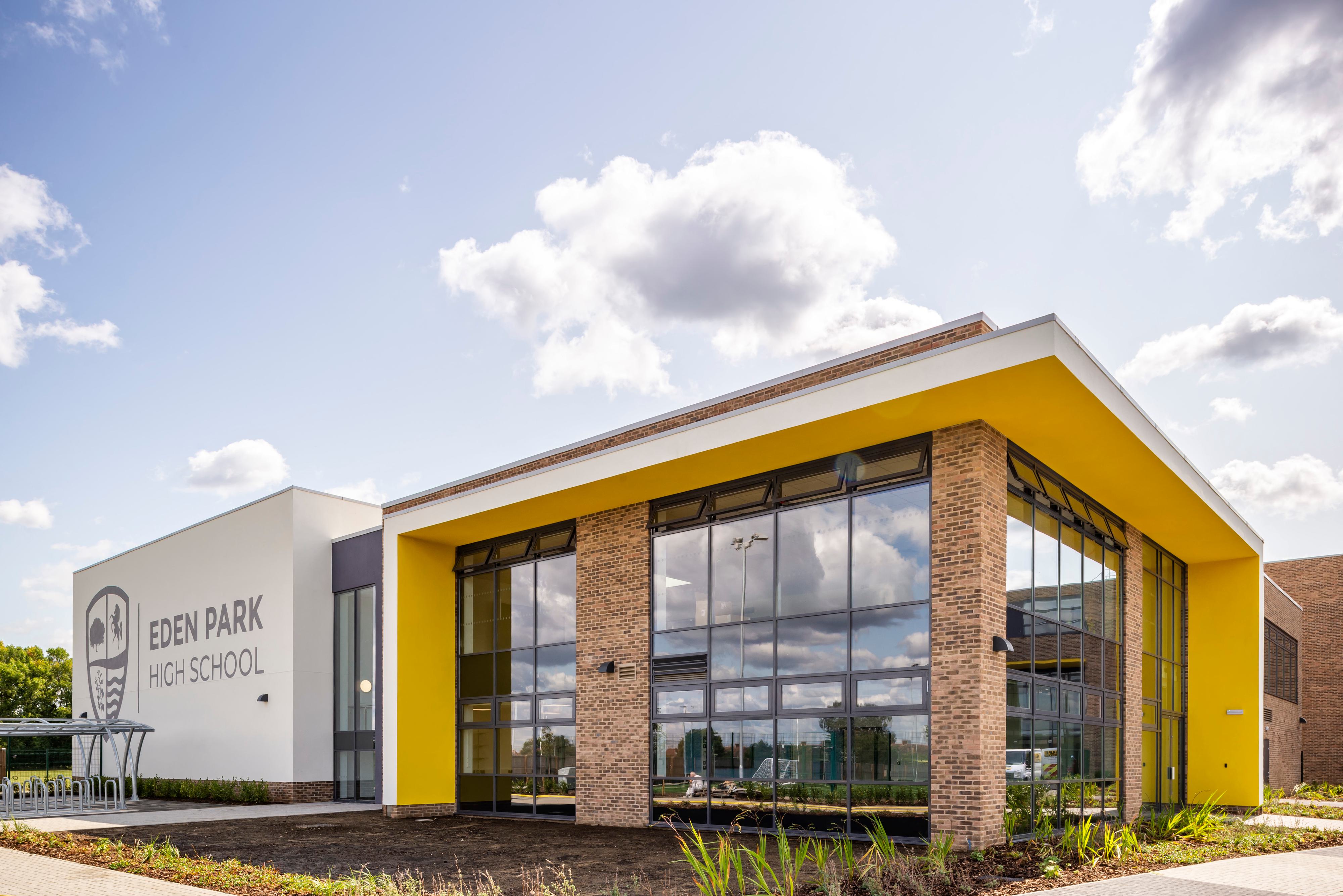
Inclusive design is central to this approach.
We recognise that no two pupils experience space in the same way, and that learning environments must support a diverse range of needs, including neurodiverse users. Our designs incorporate clear spatial hierarchy, sensory zoning and opportunities for both stimulation and retreat. Quiet rooms, calm areas and legible circulation routes allow pupils to regulate their experience of the environment, while vibrant, engaging spaces can support collaboration, creativity and active learning.
Listening to users is a fundamental part of our process. Through workshops, interviews and engagement activities with teachers, pupils and stakeholders, we develop a deep understanding of how spaces are used and what people need from them. This insight ensures that our designs respond to real behaviours and experiences rather than assumptions. Feedback from completed projects continues to inform our work, allowing us to refine design strategies and strengthen future outcomes.
Ultimately, successful school design goes beyond appearance. The most effective environments quietly support the everyday experience of those who use them – helping pupils feel comfortable, included and inspired to learn. By embedding wellbeing, flexibility and evidence-based design principles from the outset, we create schools that not only meet today’s educational requirements but continue to support communities for generations to come.