01 Apr 2026
By Ruth Evans, Associate Interior Designer
We often talk about how a space looks but we should talk more about how it makes us feel. At CPMG, we say that wellbeing is a process. It’s something that’s designed in from the very beginning, not rushed at the end through finishes or furniture. And in my experience as an interior designer, that shift changes everything.
Interior design shapes how we behave, how we focus, how we connect with others, and ultimately, how we experience our day. It’s a discipline grounded in psychology, sensory understanding, and human behaviour - not trends. When wellbeing is taken seriously, it becomes embedded in the brief, the layout, the acoustics, the light, the sensory environment, and the lived flow of people. A space stops being just a space: it becomes a quiet support system - be it a classroom, a hospital ward, workplace or your home.
Design begins with how people feel, even if they don’t realise it
People respond to space instinctively. Most of us walk into a room and we just know whether it feels right. We might not articulate why, but our bodies do the work for us. A noisy corner office that feels gloomy, a corridor that’s confusing to navigate, a dining hall that becomes overwhelming - these things aren’t personality quirks of the building; they’re design issues.
I’ve seen the difference that thoughtful design makes across schools, clinical environments, and workplaces - to name a few. Natural light alone can dramatically reduce stress and improve focus; it remains one of the most powerful wellbeing tools we have. Visual connection to the outdoors, intuitive wayfinding, and reducing visual noise all help people move through a building with ease.
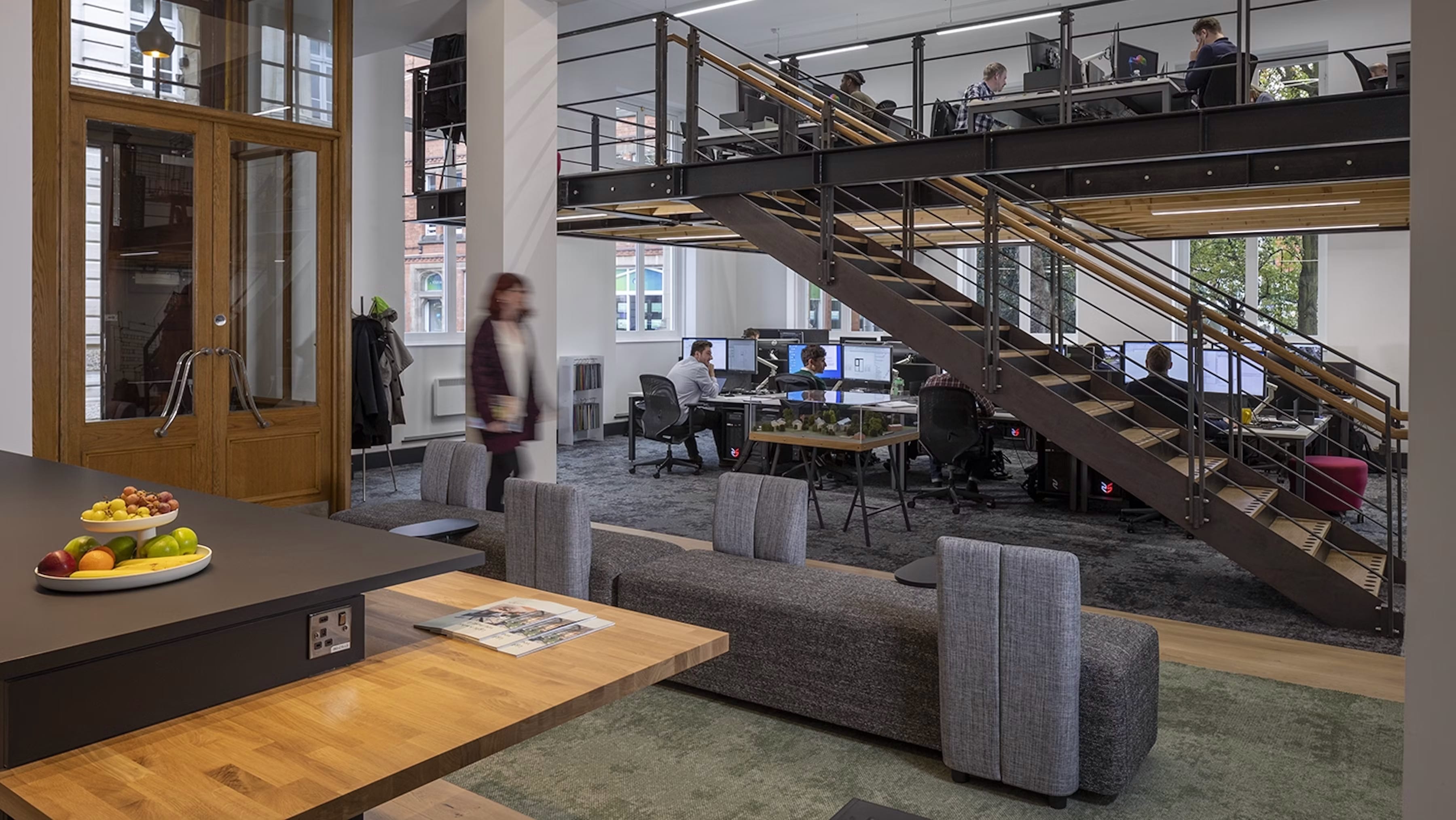
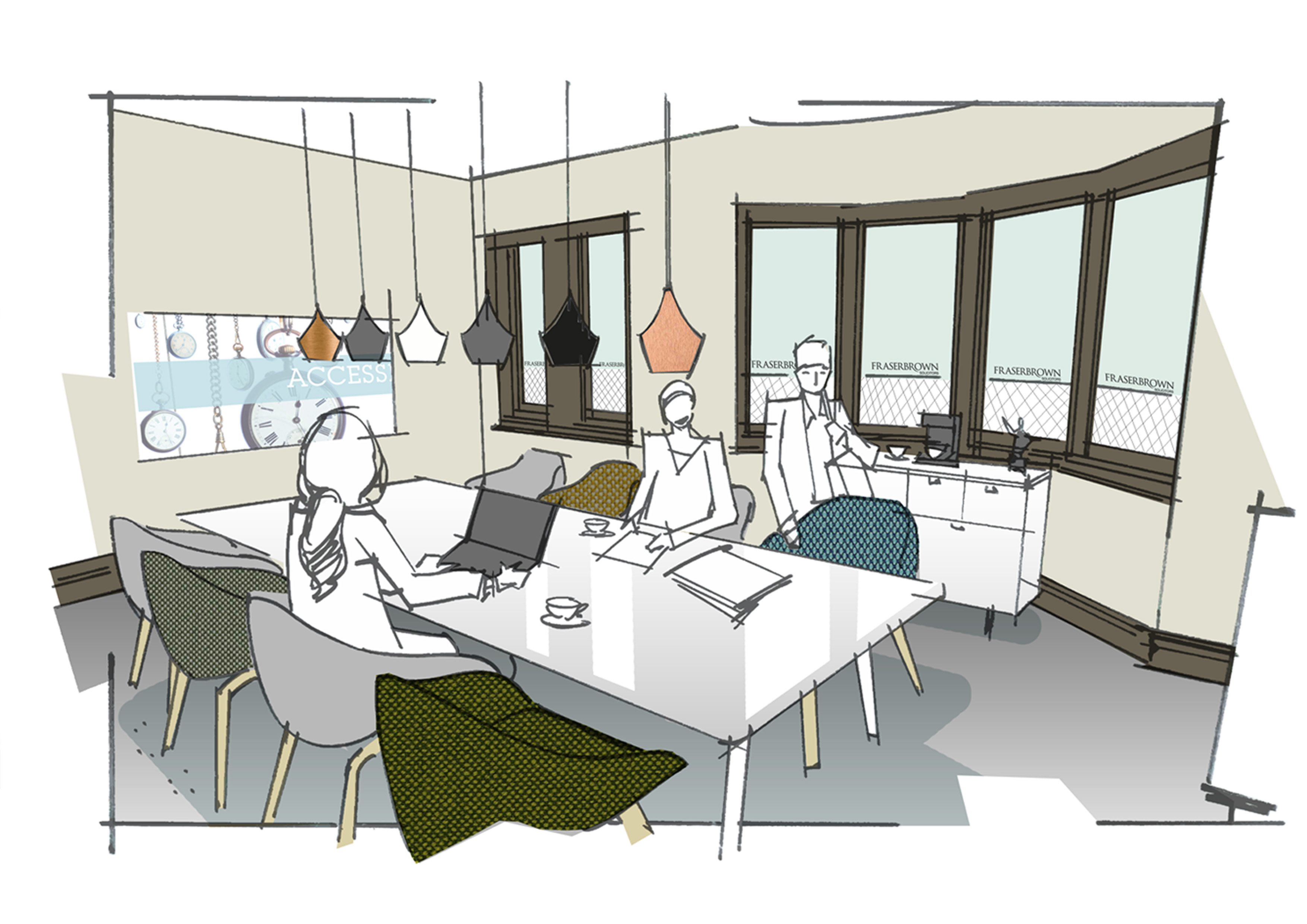
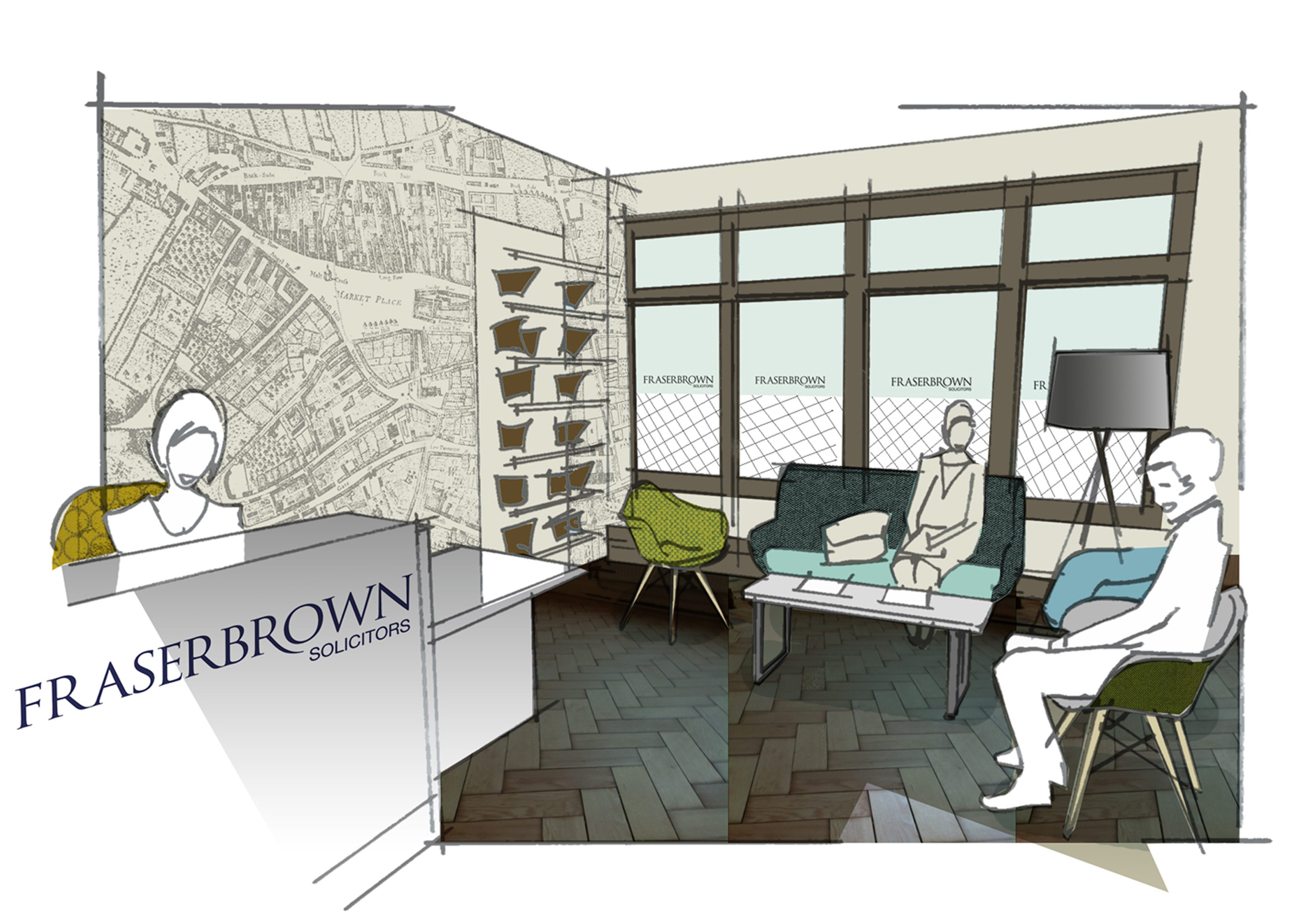
When we refurbished Fraser Brown’s workplace, for example, staff told us they simply wanted to come into the office more, as a result of the changes. The space felt more inclusive, more comfortable, and that changed behaviour. It wasn’t about luxury; it was about removing stressors and adding clarity, comfort, and identity. Because belonging isn’t an abstract idea - it’s a physiological response to feeling “placed” within a space.
The Fundamentals: Layout, acoustics, light, and materiality
Clients are often surprised when I tell them that the biggest wellbeing gains come from the things you rarely see.
Layout shapes cognitive load.
If a plan forces you to question where you’re going, or if circulation is muddled, your brain works harder than it should. Good design allows people to move intuitively, without energy-draining micro-decisions.
Acoustics can make or break a space.
It’s one of the most underestimated aspects of design. So many acoustically harsh rooms, especially in schools, end up underused, stressful, or behaviourally challenging. A dining hall, for example, needs acoustic treatment not just for neurodiverse pupils, but for anyone who becomes overstimulated by noise. If sound isn’t designed early, it becomes a much bigger retrofit problem later.
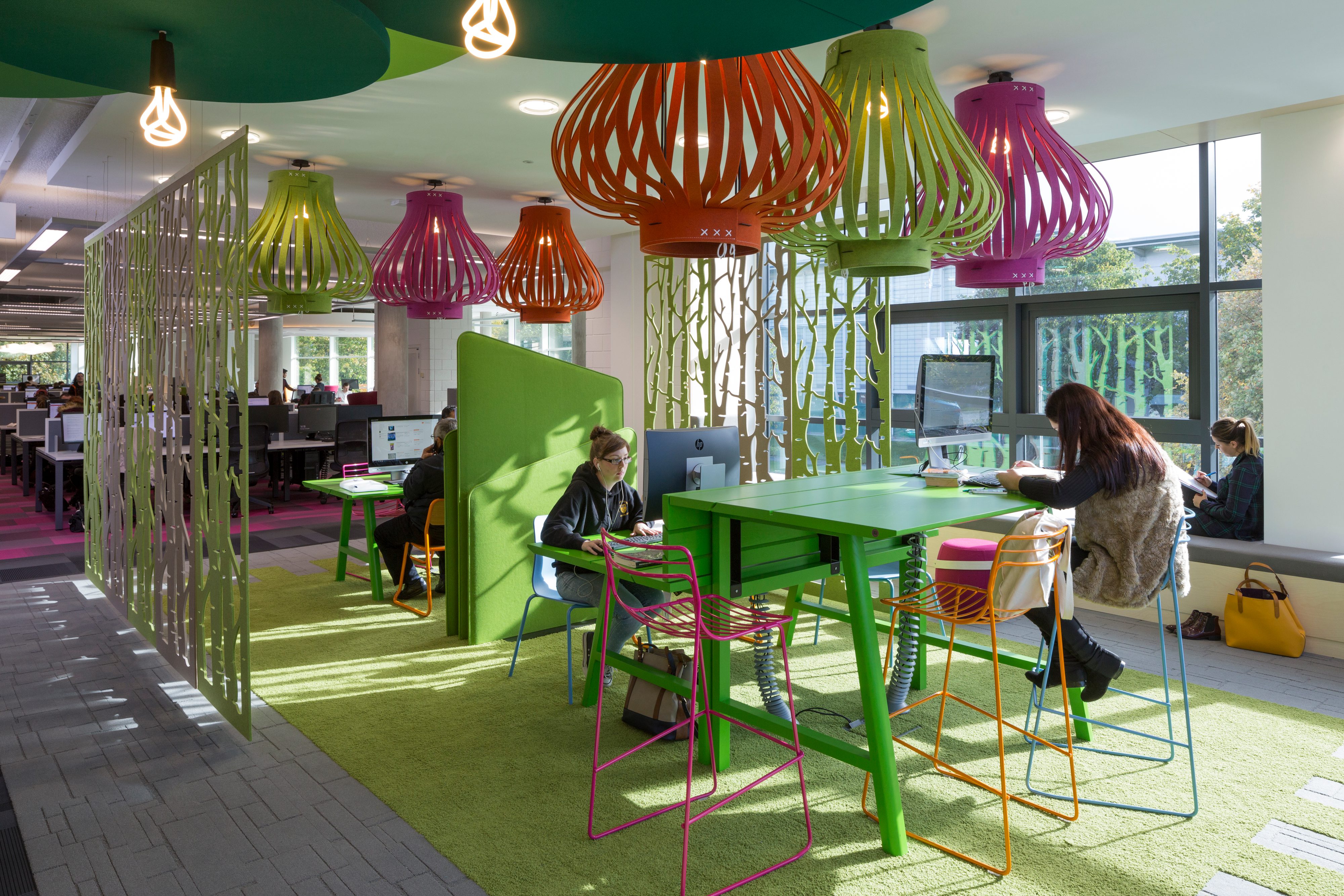
Light is a wellbeing tool, not a decorative feature.
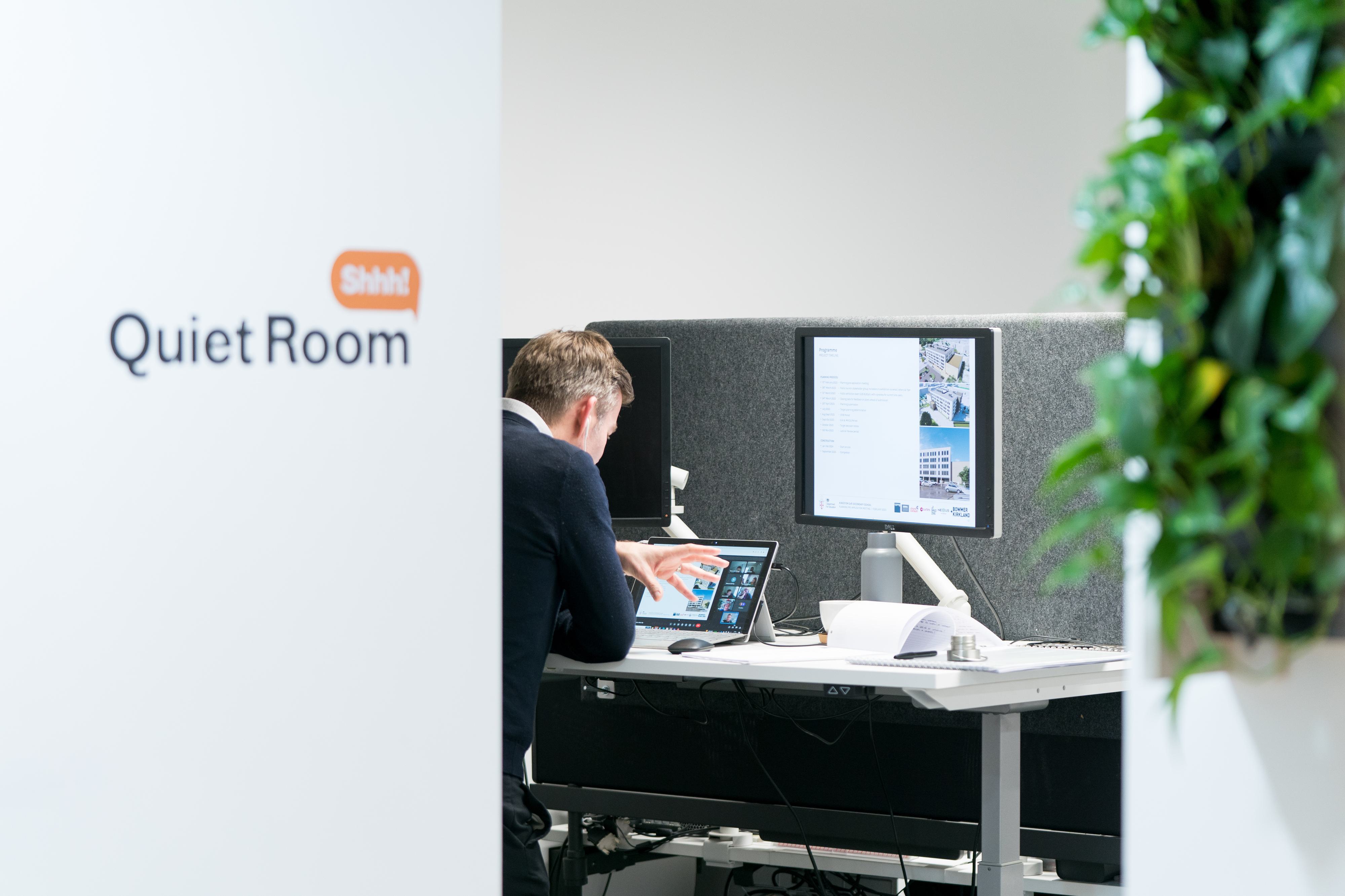
In several workplaces we’ve redesigned, removing cellular offices around the perimeter allowed daylight to reach the centre of the floor. The shift in mood, productivity, and atmosphere is immediate. People gravitate naturally to light.
Materiality matters more than aesthetics.
Today’s materials allow durability without sacrificing sensory comfort. And when a space looks and feels cared for, people care for it more in return.
Trends, on the other hand, often miss the human component entirely. They chase novelty, not need. A wellbeing‑led design approach prioritises longevity, usability, and sensory intelligence over temporary aesthetics.
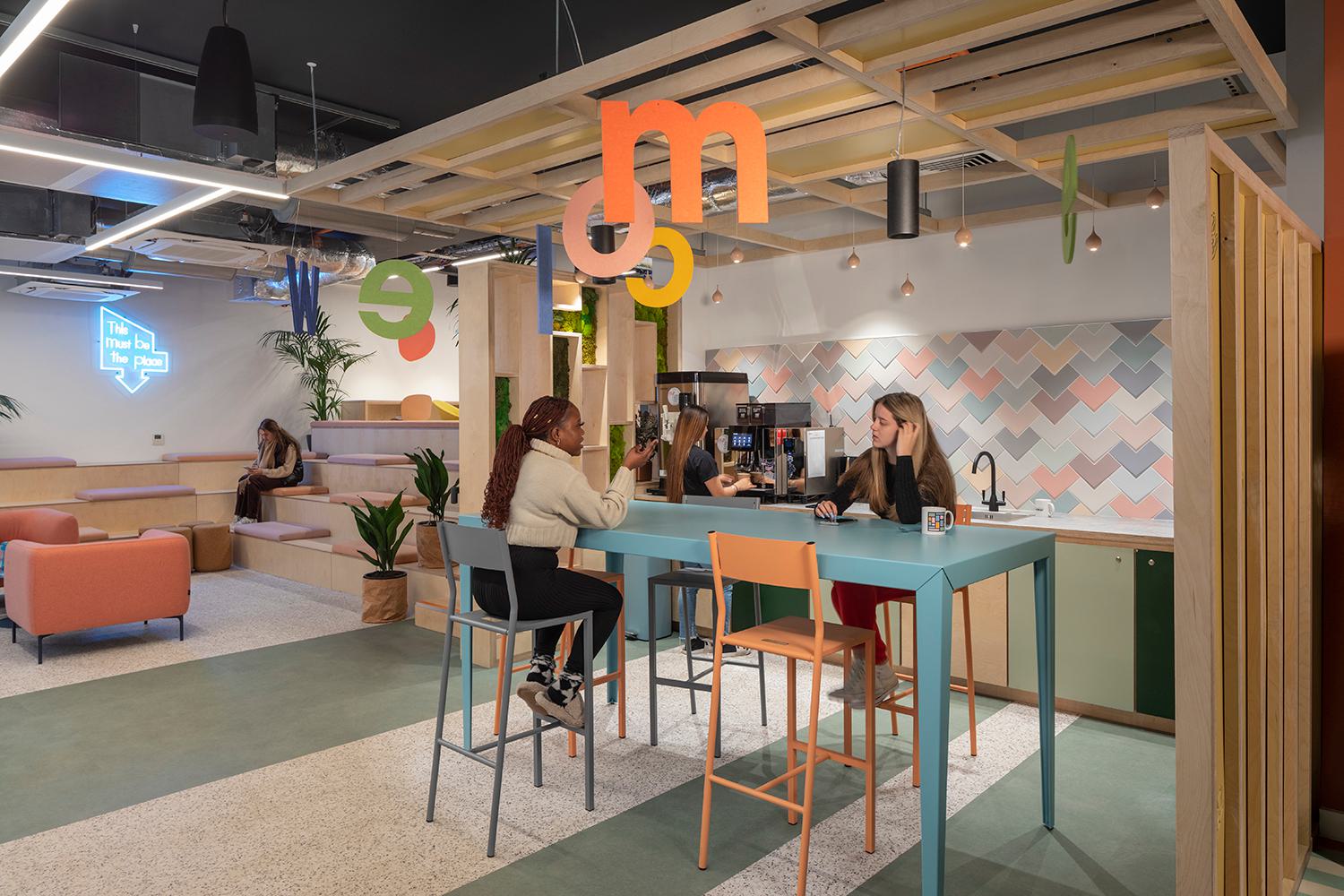
Designing for neurodiversity and inclusive experience
One of the most meaningful shifts in our field has been the growing understanding of neurodiversity. Designing with a “one size fits all” approach simply doesn’t work. It risks excluding large portions of the people who rely on the space.
We design with the belief that choice is the foundation of inclusion.
That might mean:
- Sensory zoning that differentiates stimulating and quiet areas
- Retreat rooms for low-stimulation downtime
- Avoiding overstimulation through careful consideration of pattern, scale, and contrast
- Providing a spectrum of spaces that support different working or learning styles
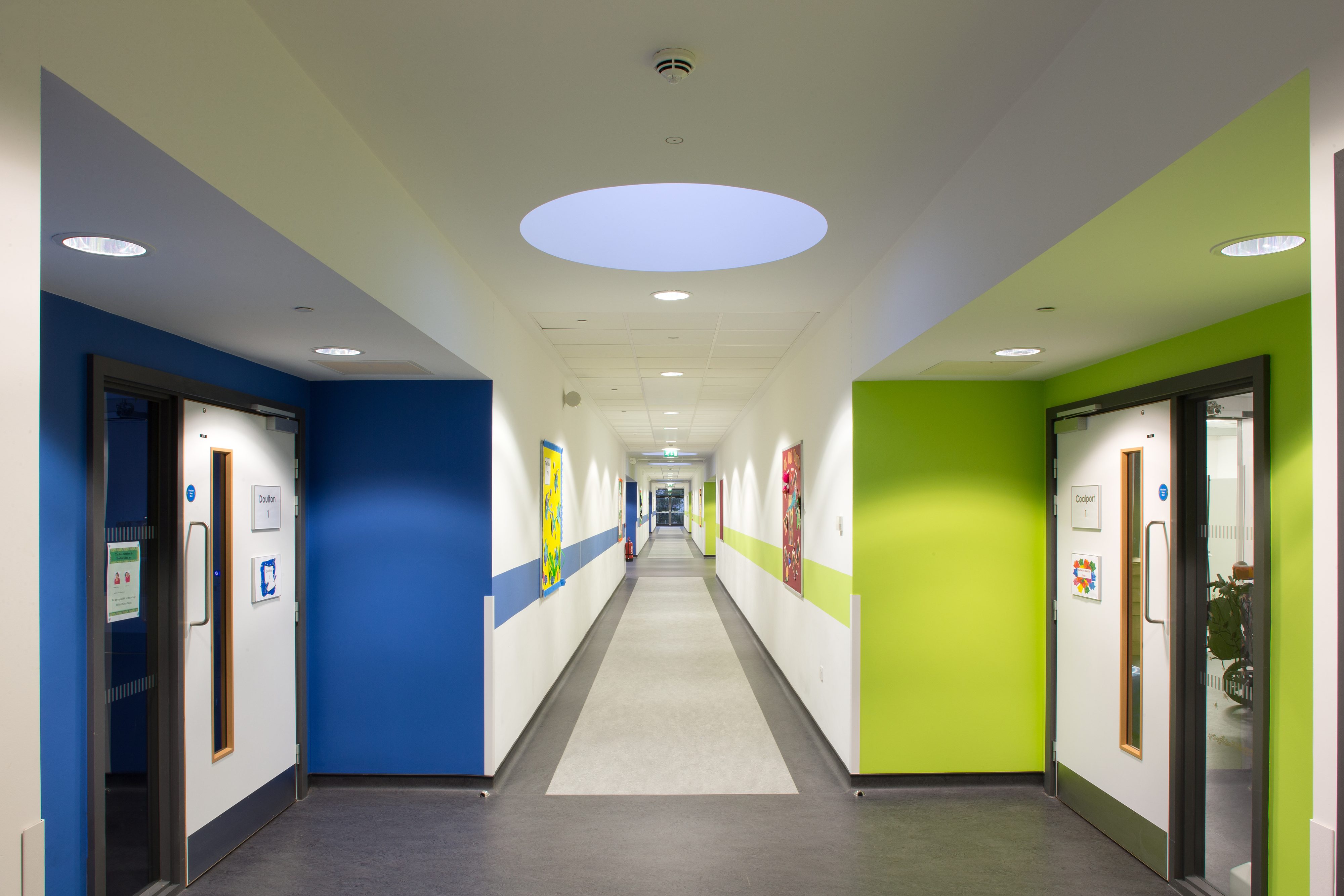
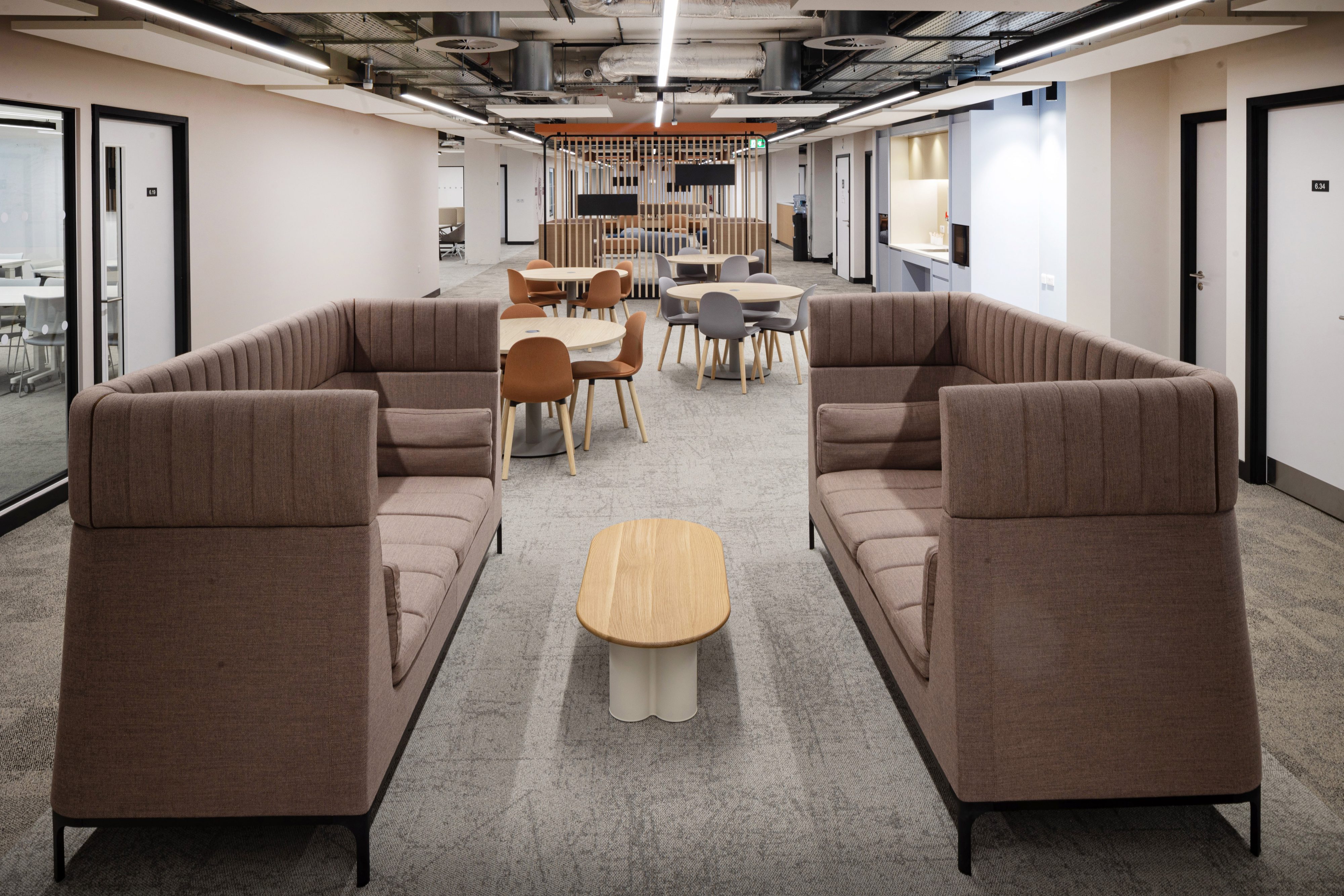
At DMU London, we created environments where students could choose between high‑energy collaboration spaces and calm focus zones. That choice is powerful, it lets every person find their own version of comfort and potential.
Purpose comes before aesthetics. Always.
Listening, not assuming
One thing that has fundamentally shaped my approach is how much we learn by listening. Early workshops, anonymous surveys, and simple “Hot or Not?” boards reveal what drawings alone never can.
Beyond design clichés
Over the years, I’ve learned to challenge some of the industry’s most persistent myths:
- Biophilia isn’t a universal solution.
It works beautifully when maintained, but poorly tended planting becomes visual noise. - Templates rarely create inclusivity.
A template offers efficiency, not empathy. Human needs vary too widely for copy‑and‑paste design. Principles scale; aesthetics don’t.
In the end, good design should be felt - not just seen
The best design doesn’t shout. It quietly supports people every day, often without them even realising why the space feels right. When wellbeing is considered from the very beginning, everything else falls naturally into place: the identity, the comfort, the behaviour, the belonging.